
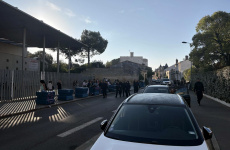

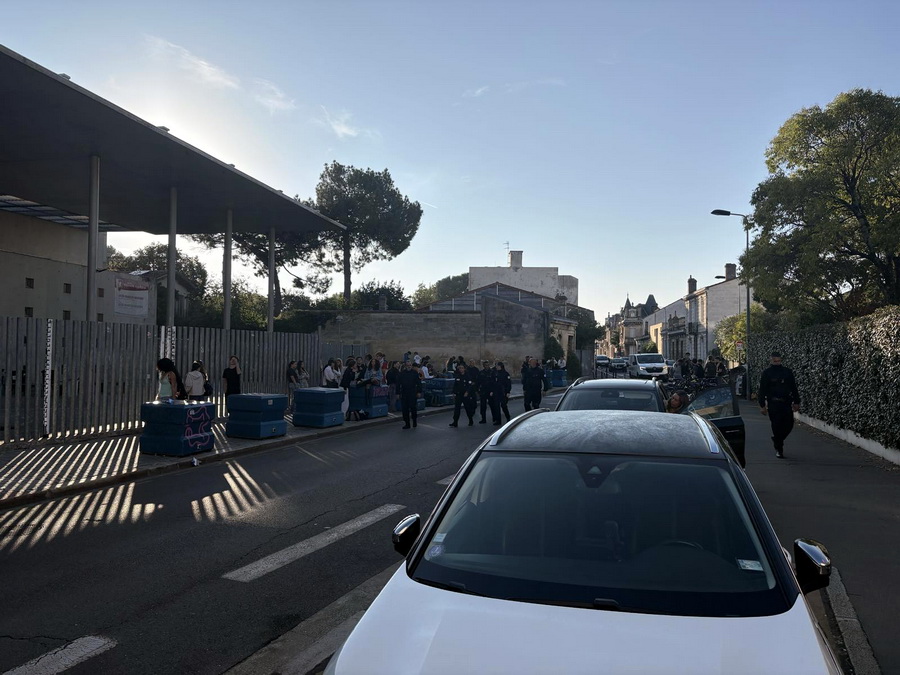

Experiencing high school demonstrations in France firsthand while stuck at home, I want to share an insider look at why these protests happen and how they unfold—something I knew very little about before moving here.
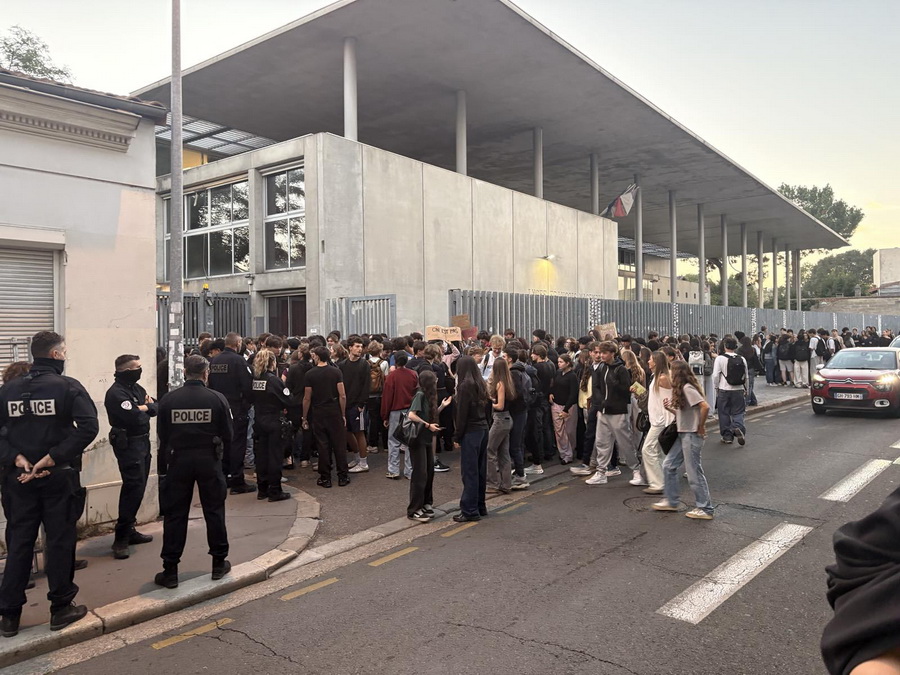
Similar waves of protest have taken place every October since I began studying in France in 2024, but this round reached a whole new level. Teenagers began relying heavily on pyrotechnics, leading to burns, ruined clothes, and severe injuries due to mishandling. In one extreme case, a fire truck that arrived to put out a blaze was attacked, ransacked, and burned by crowd members whose aggression suddenly redirected. Schools have been set on fire, with one building burning to the ground.
When actions drag on or escalate, police units arrive on the scene. Their impact varies: sometimes officers merely form a passive backdrop to the protest (as was the case outside our Lycée Magendie in Bordeaux), while at other times they must actively disperse aggressive factions. Riot gear, shields, batons, and pepper spray are deployed largely for defensive protection against hostile crowd surges.
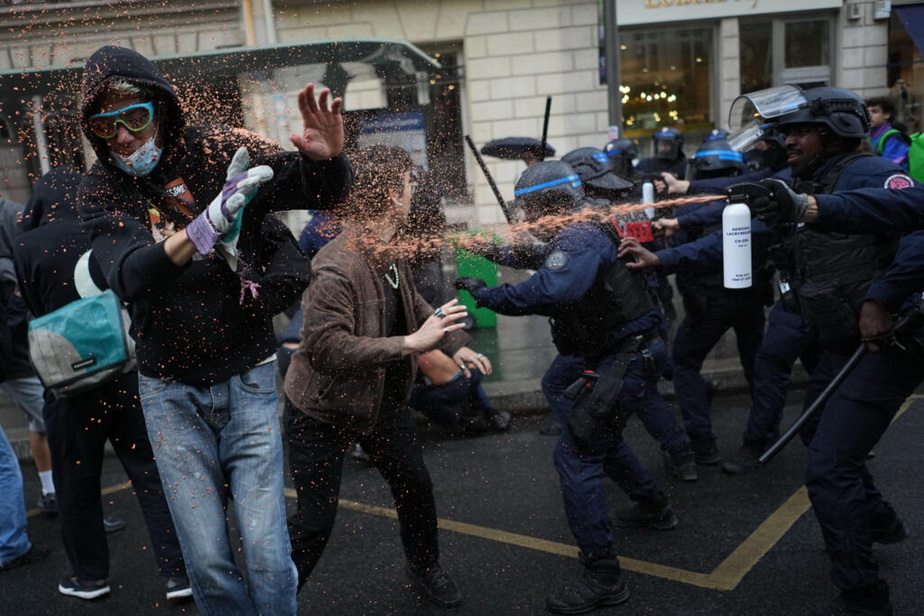
The core student demand remains clear: increasing the number of teachers, as students find it unacceptable to study in overcrowded classrooms with nearly 40 people per room.
Because of these disruptions, I am staying home until Tuesday. The school administration has adapted quickly: teachers are uploading study materials online so we can analyze the lessons and complete assignments independently from home.







Залишити коментар