


Since 2022, Ukraine’s book and publishing market has navigated a cultural renaissance, decisive derussification, and continuous adaptation to wartime realities. In contrast to mature, heavily regulated European markets such as France, the United Kingdom, or Germany, Ukraine’s publishing landscape remains deeply contrasted: dynamic and resilient, yet constrained in capacity, particularly within academic and technical disciplines.
Bookstore Networks: Independent Dynamism vs. European Density
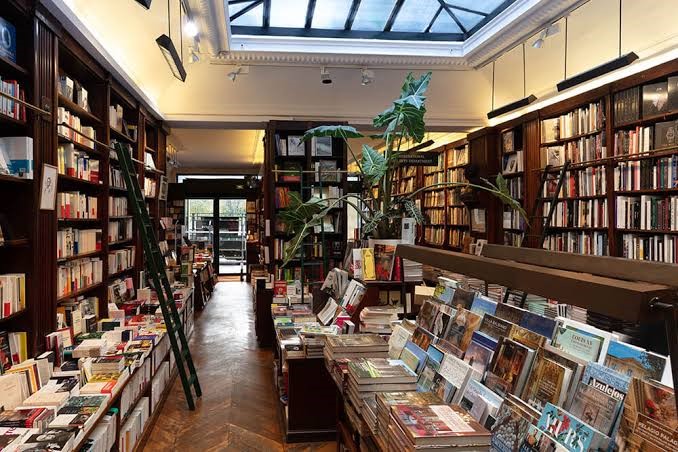
Beginning in late 2022, Ukraine's major retail chains (Knyharnya Ye, KSD, Vivat) expanded their footprint, while dozens of independent concepts and bookshop-cafés (Readeat, Sens, Plekit) opened in major cities. The confirmed number of brick-and-mortar bookstores has reached roughly 570 to 600 locations. Coverage, however, remains sparse: an average of one bookstore per 50,000 residents.
By contrast, France possesses the densest network of independent bookstores in the world, with over 3,300 independent bookshops (and over 15,000 retail points including cultural superstores and department stores). This translates to one independent shop for every 20,000 to 22,000 people. Market stability is secured by the 1981 Lang Law (Loi Lang), which caps consumer discounts at 5%, protecting independent retailers from aggressive discounting and monopolistic platforms.
Print Runs and Production Costs
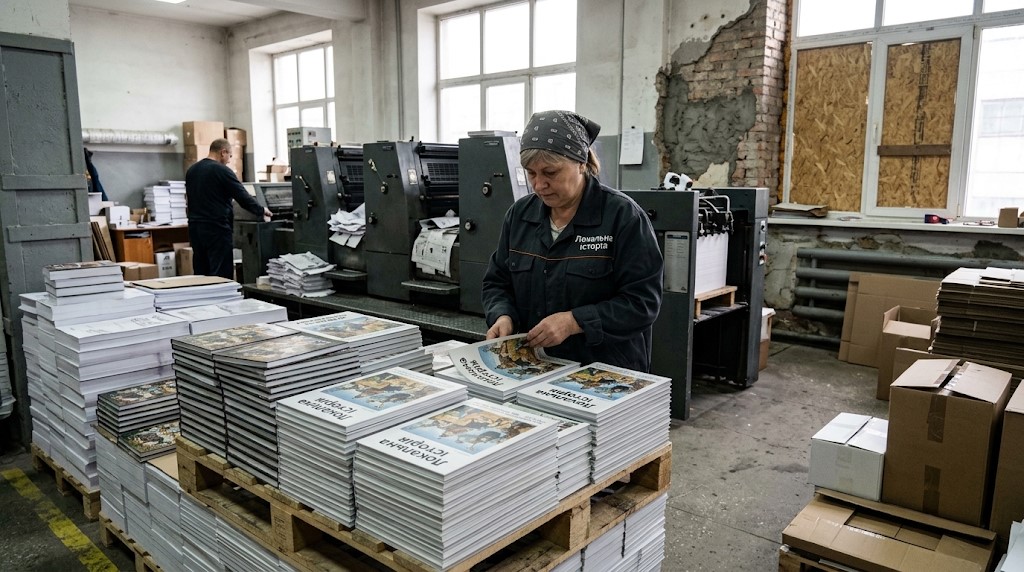
In 2023–2024, annual book sales in Ukraine stabilized around 33 to 35 million copies. Average print runs per title, however, remain modest, typically hovering between 1,500 and 2,500 copies. Production continues to be constrained by industrial damage (notably the missile strike on the Faktor-Druk printing plant in Kharkiv), labor shortages, and rising costs for imported paper.
In comparison, the French market distributes over 420 to 440 million copies annually—twelve to thirteen times Ukraine's volume. Initial print runs for new releases in France average 4,200 to 5,000 copies, while mass-market paperbacks (livre de poche) and graphic novels (BD / manga) regularly see runs of several tens of thousands.
Derussification and the Translation Market
The statutory ban on importing printed materials from Russia and Belarus (Law No. 2309-IX), reinforced by a decisive shift in reader preference, removed Russian-language publications from legal retail channels. Prior to 2014, Russian imports accounted for up to 70–80% of titles on Ukrainian bookstore shelves; today, mainstream brick-and-mortar retail is virtually 100% Ukrainian (alongside foreign titles in their original languages).
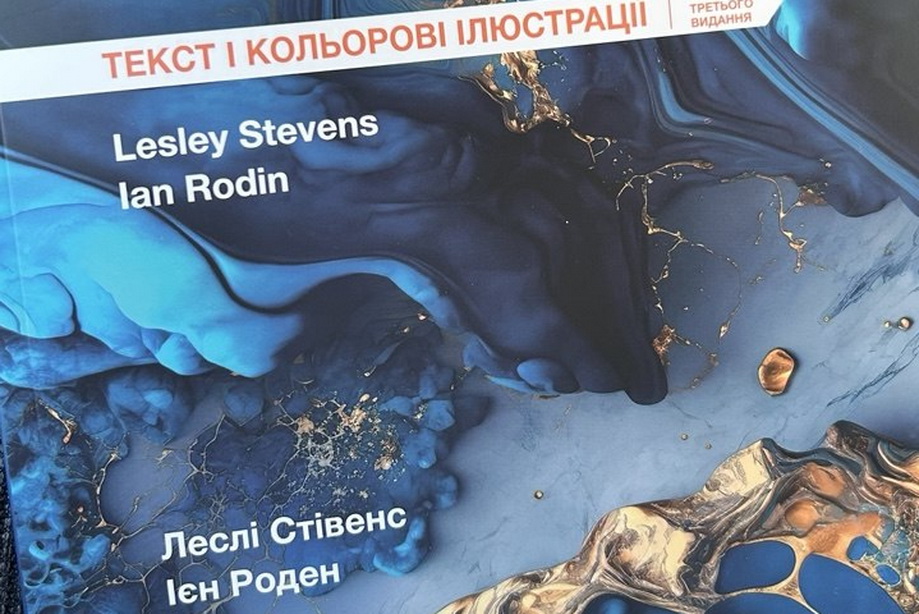
Has translation capacity caught up with world output? Partially. In fiction, Young Adult, and popular non-fiction, Ukrainian publishers have accelerated release schedules, publishing global bestsellers within months. Yet critical gaps persist in STEM, medical, and specialized academic literature. Translating and publishing niche titles at runs of 500 copies remains uneconomic without institutional grant support, leaving specialists dependent on original English editions.
Print Media: Structural Crisis or Reconfiguration?
Periodicals face the most severe structural pressures. In Ukraine, traditional print journalism has been battered by the destruction of local editorial offices across southern and eastern regions, compounded by disruptions in postal subscription networks. Concurrently, a counter-trend has emerged: magazines designed as high-end cultural artifacts. Publications such as Lokatyvna Istoriya (Локальна історія) and specialized journals demonstrate that audiences will invest in substantial, premium-print periodicals that offer depth rather than ephemeral news.
In France, national daily newspapers (Le Monde, Le Figaro, Libération) have likewise seen steady declines in print circulation over decades. This shift, however, has been cushioned by extensive state press subsidies (aides à la presse), giving media organizations the runway needed to build viable digital subscription models. Simultaneously, analytical weeklies and slow-journalism quarterlies (Le 1, XXI) maintain robust print readerships.
While the Ukrainian book sector has made remarkable qualitative leaps, it still relies heavily on civic and professional dedication. Long-term sustainability requires institutional infrastructure: public library acquisition quotas (French municipal libraries absorb up to 20% of certain print runs) and statutory protections for distribution in smaller municipalities.
Should Ukrainian Books Be Promoted in France?
Yes, but through strategic integration rather than appeals to charity. Exporting inventory without localized curation often leads to disappointment. France retains a profound reverence for reading, where literature remains a marker of intellectual engagement and social prestige. Promoting Ukrainian literature here is viable and strategically necessary when aligned with local industry norms.
- Challenging the Post-Colonial Perspective
For decades, Western European cultural institutions viewed Eastern Europe primarily through the prism of classical Russian literature. Without active promotion of contemporary Ukrainian writers translated into French, this vacuum will persist. French readers look for universal narratives, nuanced explorations of identity, borders, and political freedom. Authors such as Serhiy Zhadan, Oksana Zabuzhko, Taras Prokhasko, Andrey Kurkov, and Artem Chekh are already carried by established French publishing houses (Noir sur Blanc, Gallimard, Actes Sud). Their engagement at book festivals and public libraries positions Ukraine as a distinct, sovereign intellectual voice.
- The Children's Sector and Language Retention
Tens of thousands of Ukrainian families currently reside in France. Within the French public school environment, children often transition to French in daily conversation within eighteen months. Consequently, demand for quality illustrated children's books, middle-grade fiction, and bilingual titles is practical and immediate: parents prioritize books that sustain their children's native language and familial ties.
- France’s Appreciation for Graphic Arts
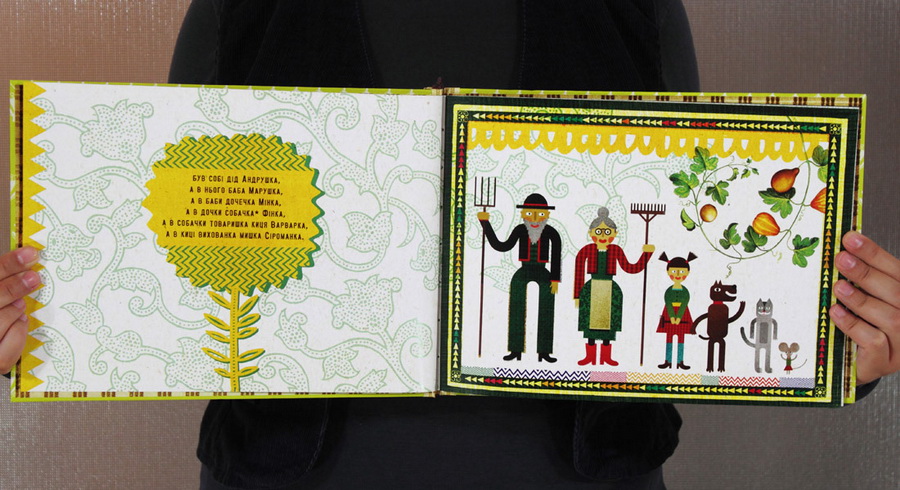
France is a global capital for illustration, graphic novels (bande dessinée), and visual storytelling (albums illustrés). Ukraine’s contemporary illustration community—exemplified by the award-winning Agrafka Studio (Romana Romanyshyn and Andriy Lesiv)—competes at the highest international level (including Bologna Ragazzi Awards). French readers purchase these editions as works of design and visual art, evaluating them on aesthetic merit.
Strategic Guidelines for European Distribution
|
Approaches to Avoid |
Effective Strategies |
|
Opening dedicated Ukrainian-only physical shops. High retail rents, French labor costs, and payroll taxes can quickly deplete operating budgets before building an adequate customer base. |
Partnering with existing institutions and networks. Participating in book fairs, pop-up events, dedicated sections within French bookshops, and supplying municipal library systems via the public procurement platform Chorus Pro. |
|
Marketing non-translated Ukrainian originals to French readers. Local readers rarely read Cyrillic scripts and will not cross the language barrier without access to translations. |
Promoting French-language editions. Collaborating with French publishing houses holding international rights and leveraging institutional translation grants (such as the Translate Ukraine program by the Ukrainian Book Institute). |
|
Relying solely on appeals to sympathy. Public attention to humanitarian crises inevitably experiences fatigue over time, creating emotional distance. |
Focusing on aesthetics, depth, and literary value. Highlighting typography, high-grade printing, visual originality, and substantive intellectual dialogue. |
Promoting Ukrainian literature in France functions as a long-term cultural diplomacy initiative and an educational resource for bilingual families.
Building the Bridge
Ukraine's publishing sector has demonstrated extraordinary endurance on its home territory. Its next phase of growth involves establishing durable connections with international readers. The European market offers substantial opportunities for curated, high-quality catalogues. Realizing this potential requires collaboration with professionals who understand Ukraine’s literary scene intimately, track emerging voices, and can distinguish between topical releases and enduring works of cultural significance.
Constructing a reliable bridge between Ukrainian creators and European readers is an ongoing endeavor—one best realized through partnerships among those dedicated to the craft of the printed word.






Залишити коментар